Terminals +info
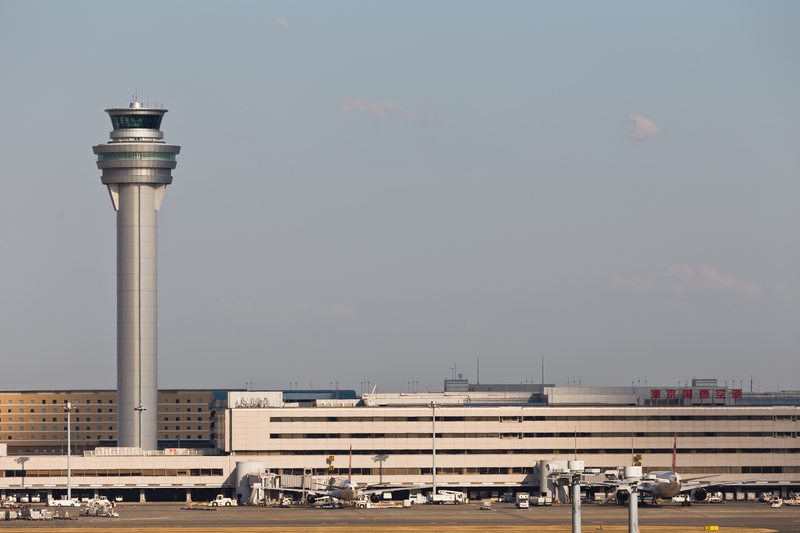
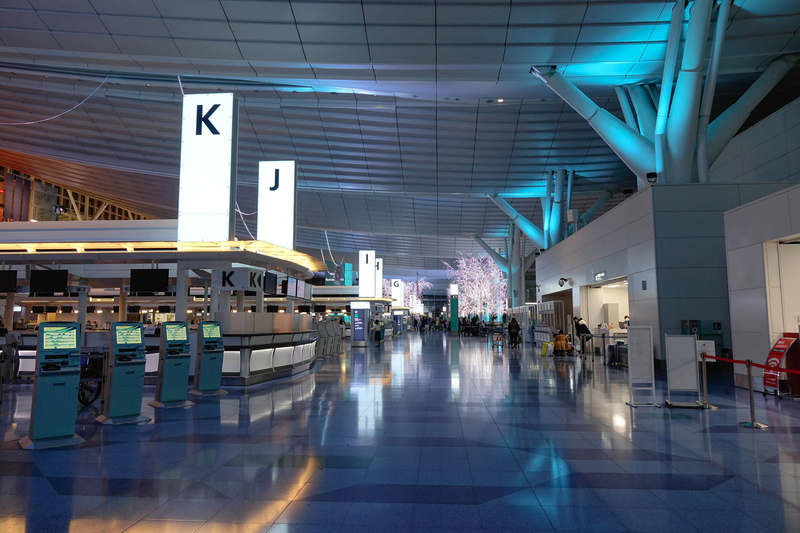
Tokyo Haneda Airport features three modern passenger terminals designed to provide an efficient and comfortable travel experience.
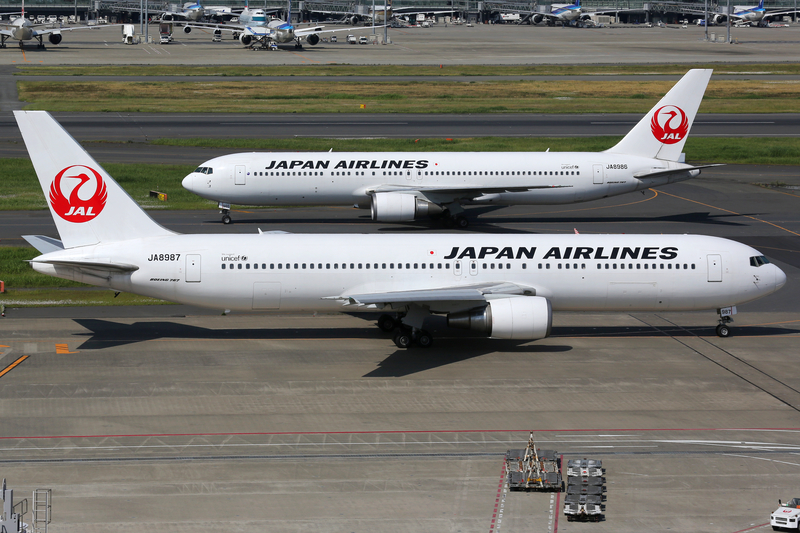
Terminal 1 mainly serves Japan Airlines domestic flights, while Terminal 2 is primarily used by ANA and selected international services.
Terminal 3 handles most international flights and is known for its premium facilities, Edo-inspired shopping area and extensive dining options.
All terminals offer excellent passenger services, advanced technology, observation decks, lounges, restaurants and convenient transportation connections to central Tokyo and surrounding regions.
Reviews +info
On this website, you will find valuable tips and reviews about Tokyo Haneda Airport, designed to help you navigate your travel experience smoothly. These reviews can help you understand what to expect in terms of service quality, cleanliness, and overall passenger experience.
-Our Review of Haneda Airport
-Pros and Cons of HND Airport
-Mini-Guide of the Airport (2’ Guide)
-Other reviews
-Some Stats
Transport +info
Tokyo Haneda Airport offers one of the most efficient transportation systems in the world, with fast and convenient access to central Tokyo and surrounding regions.
Travelers can choose between the Tokyo Monorail, Keikyu railway services, airport limousine buses, taxis and private transfers.
Thanks to its location close to the city center, Haneda is significantly more convenient than many other major international airports.
Transport connections are modern, reliable and easy to use, making arrivals and departures smooth for both domestic and international passengers.
Contact Information
Airport Contact Information
Tokyo Haneda Airport offers extensive passenger support services with multilingual assistance, modern facilities and efficient customer service throughout all terminals.
Lost & Found Services
Haneda Airport provides highly efficient Lost & Found services and Japan is internationally recognized for exceptional recovery rates of lost personal belongings.
About Tokyo +info
Tokyo City Guide
Tokyo is one of the most fascinating cities in the world, combining futuristic technology, ancient traditions, incredible food and endless urban energy. From peaceful temples to neon-lit skyscrapers, Tokyo offers a unique atmosphere unlike anywhere else on the planet.
A City of Contrasts
Tokyo is famous for its extraordinary contrasts. Modern skyscrapers stand next to centuries-old temples, while ultra-fast trains coexist with quiet traditional neighborhoods. The city constantly blends innovation and history in a way that feels natural and uniquely Japanese.
Districts such as Shinjuku and Shibuya represent the modern side of Tokyo with giant screens, nightlife and busy intersections, while areas like Asakusa preserve the atmosphere of old Tokyo with temples, lanterns and traditional streets.
Despite being one of the largest metropolitan areas in the world, Tokyo is remarkably clean, organized and safe. Public transportation is highly efficient and punctual, making it easy for visitors to explore the city.
Food, Culture & Experiences
Tokyo is considered one of the best food cities in the world. Visitors can enjoy everything from Michelin-starred restaurants to small local ramen shops hidden in narrow streets. Sushi, tempura, yakitori and traditional Japanese desserts are all essential experiences.
The city also offers an incredible cultural scene with museums, gardens, shrines, anime districts, shopping streets and observation decks with panoramic skyline views.
Tokyo changes dramatically between day and night. During the day, the city feels efficient and elegant, while at night it transforms into a vibrant world of lights, restaurants, bars and entertainment districts.
Best Areas to Visit
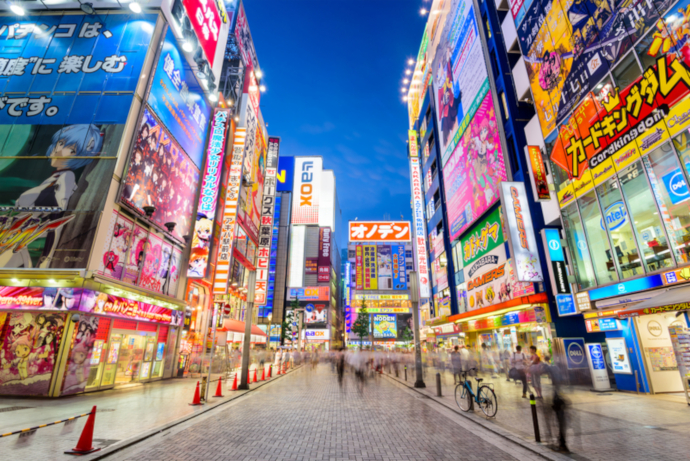
Shibuya is famous for its iconic crossing and youthful atmosphere, while Shinjuku is known for skyscrapers, nightlife and entertainment. Ginza offers luxury shopping and elegant streets, whereas Akihabara is the center of anime, gaming and electronics culture.
Travelers looking for a more traditional atmosphere should visit Asakusa and the historic Senso-ji Temple. Ueno is popular for museums and parks, especially during cherry blossom season.
Odaiba, located on Tokyo Bay, provides futuristic architecture, shopping centers and spectacular waterfront views.
Practical Travel Information
Tokyo is generally very safe, even late at night, and visitors often describe the city as extremely respectful and organized. English signage is common in tourist areas and transportation hubs, although learning a few basic Japanese phrases can be helpful.
The city’s railway network is one of the best in the world, but stations can be very large and complex. Using navigation apps and prepaid transport cards such as Suica or Pasmo makes traveling much easier.
Spring and autumn are usually considered the best seasons to visit Tokyo thanks to comfortable temperatures and beautiful scenery.
Why Tokyo Is So Special
Tokyo is much more than a city — it is an experience. It combines some of the world’s most advanced technology with deep cultural traditions, creating an atmosphere that feels futuristic yet deeply authentic. Whether exploring quiet temples, tasting incredible food, discovering hidden neighborhoods or admiring the skyline at night, Tokyo leaves a lasting impression on almost every visitor.